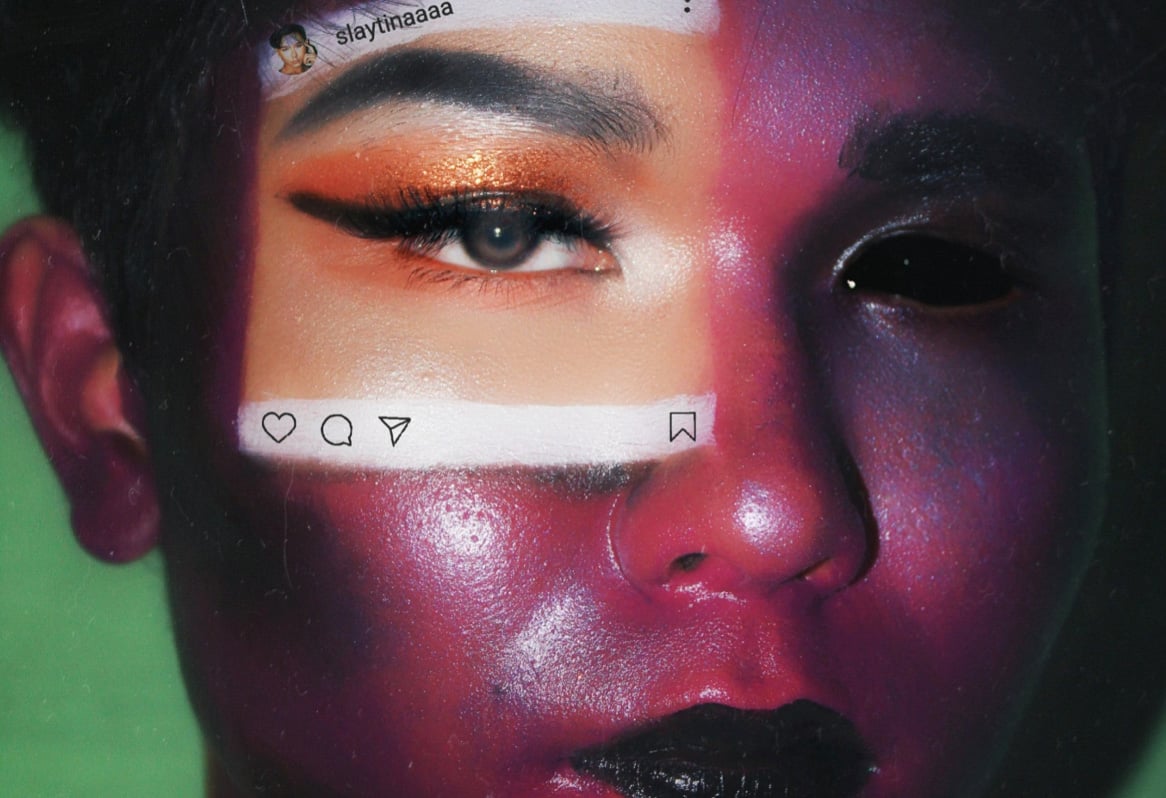
Instagram is more competitive than ever, with over 2 billion monthly users and a feed that never stops scrolling. To stand out, you need more than random posts or trend-chasing. You need a strategy that’s intentional, data-driven, and community-focused.
Here’s your step-by-step blueprint for building an Instagram content strategy that drives real results in 2026.
Step 1: Define Your Audience and Goals
Why it matters:
You can’t create content that resonates if you don’t know who you’re talking to or what you want to achieve.
How to do it:
- Research your audience: Use Instagram Insights, polls, and competitor analysis to understand your followers’ age, location, interests, and pain points.
- Set clear goals: Are you aiming for brand awareness, community growth, website clicks, or sales? Your content should map to these objectives.
- Create audience personas: Summarize your ideal followers’ demographics, motivations, and Instagram habits.
Example:
A sustainable skincare brand targets eco-conscious women aged 25–40 who value ingredient transparency and love “before and after” content.
Step 2: Craft a Cohesive Visual Identity
Why it matters:
Instagram is a visual-first platform. Consistency builds brand recognition and trust.
How to do it:
- Choose a color palette and stick to it: Use your brand colors in backgrounds, overlays, and highlights.
- Pick 1–2 signature filters or editing styles: This creates a recognizable “look” for your feed.
- Design templates for recurring content: (e.g., quote cards, product features, tips)
- Keep your grid organized: Plan your posts so your profile looks intentional, not random.
Pro Tip:
Use tools like Canva or Adobe Express to create and save branded templates.
Step 3: Plan Content Pillars and Storytelling Themes
Why it matters:
Content pillars are the main topics you’ll post about. Storytelling themes keep your feed fresh and engaging.
How to do it:
- Identify 3–5 content pillars: (e.g., product education, customer stories, behind-the-scenes, industry tips, lifestyle inspiration)
- Map out recurring themes: (e.g., “Monday Motivation,” “Customer Spotlight,” “How-To Fridays”)
- Balance value and promotion: Aim for 80% value (education, entertainment, inspiration) and 20% promotion.
Example:
A fitness coach’s pillars: workout tips, client transformations, nutrition advice, mindset motivation, and Q&A sessions.
“Data tells you what happened. Strategy tells you what to do next..”
Step 4: Mix Up Your Formats (Reels, Carousels, Stories, Lives)
Why it matters:
Instagram’s algorithm favors accounts that use all its features, especially Reels and carousels.
How to do it:
- Reels: Short, vertical videos (under 60 seconds) with trending audio, strong hooks, and clear value. Great for reach and discovery.
- Carousels: Multi-image posts for step-by-step guides, storytelling, or before/after reveals.
- Stories: Daily, ephemeral content for polls, Q&As, and behind-the-scenes moments.
- Lives: Real-time engagement, interviews, or product launches.
Pro Tip:
Test different formats to see what your audience loves. In 2025, short-form video (under 15 seconds) is still king, but static images and longer carousels also perform well.

Step 5: Spark Engagement and Community
Why it matters:
Instagram is a social platform. The more you interact, the more your content is shown.
How to do it:
- Respond to every comment and DM: Show followers you care.
- Use interactive stickers in Stories: Polls, quizzes, sliders, and Q&As boost engagement.
- Run contests, games, or challenges: Ask followers to tag friends, share UGC, or use a branded hashtag.
- Feature user-generated content: Repost customer photos and reviews (with permission).
Example:
Chewy regularly reposts pet parent UGC, building trust and a sense of community.
Step 6: Optimize for Discovery (SEO, Hashtags, Timing)
Why it matters:
Instagram is now a search engine. Discovery depends on smart optimization.
How to do it:
- Instagram SEO: Use relevant keywords in your bio, captions, and alt text.
- Hashtags: Mix branded, niche, and trending hashtags (10–15 per post is a good range). Place them in the first comment for a cleaner look.
- Post at optimal times: Analyze your Insights to find when your audience is most active (typically Mon–Thurs, 10 am–2 pm, but check your own data).
- Tag locations and relevant accounts: Increases reach and discoverability.
Pro Tip:
Use Instagram’s analytics or tools like Sprout Social to schedule posts at peak engagement times.
Step 7: Analyze, Test, and Iterate
Why it matters:
What works today may not work tomorrow. Data-driven decisions keep your strategy sharp.
How to do it:
- Track key metrics: Reach, engagement rate, saves, shares, website clicks, and follower growth.
- A/B test content: Try different hooks, formats, or posting times and compare results.
- Review analytics monthly: Double down on what works, tweak or drop what doesn’t.
- Monitor competitors: See what’s trending in your niche and adapt smartly.
Example:
A fashion brand notices Reels with “how to style” tips get 3x more saves than product-only posts so they create more of them.
“The brands winning on Instagram aren’t the loudest but they’re the most authentic..”
Step 8: Amplify with Influencers and Paid Promotion
Why it matters:
Organic reach is shrinking. Influencers and ads help you reach new, relevant audiences.
How to do it:
- Partner with niche influencers: Choose creators whose audience matches your target market. Prioritize authenticity and clear disclosure (#ad).
- Run Instagram ads: Promote top-performing posts or create targeted campaigns for launches and offers.
- Leverage paid tools: Use Instagram’s built-in analytics and third-party platforms to track ROI.
Pro Tip:
Micro-influencers (10k–100k followers) often deliver higher engagement and trust than mega-influencers.
Ready to level up your Instagram marketing?
Let’s build a strategy that drives real results not just likes.

Pooja Garg
Pooja Garg is the founder of Sky Storm Digital, a creative digital marketing agency dedicated to helping brands grow through strategy, storytelling, and design. With a passion for blending creativity and data-driven insight, Pooja writes about digital marketing trends, brand building, and the ever-evolving online landscape.
When she’s not crafting campaigns, she’s exploring new ways to connect creativity with technology.