Key Takeaways
- 🎤Optimize for voice search and AI-driven SEO by 2026 to stay ahead of the curve.
- 📍Master local SEO with Google Business Profile and hyper-local targeting to attract high-intent legal leads.
- ⚖️Create practice-area-specific content to establish your law firm as an authority in your field.
- ⚡Leverage technical SEO to improve website performance and search engine rankings.
- 🔗Build high-quality backlinks and local citations to boost your online visibility and credibility.
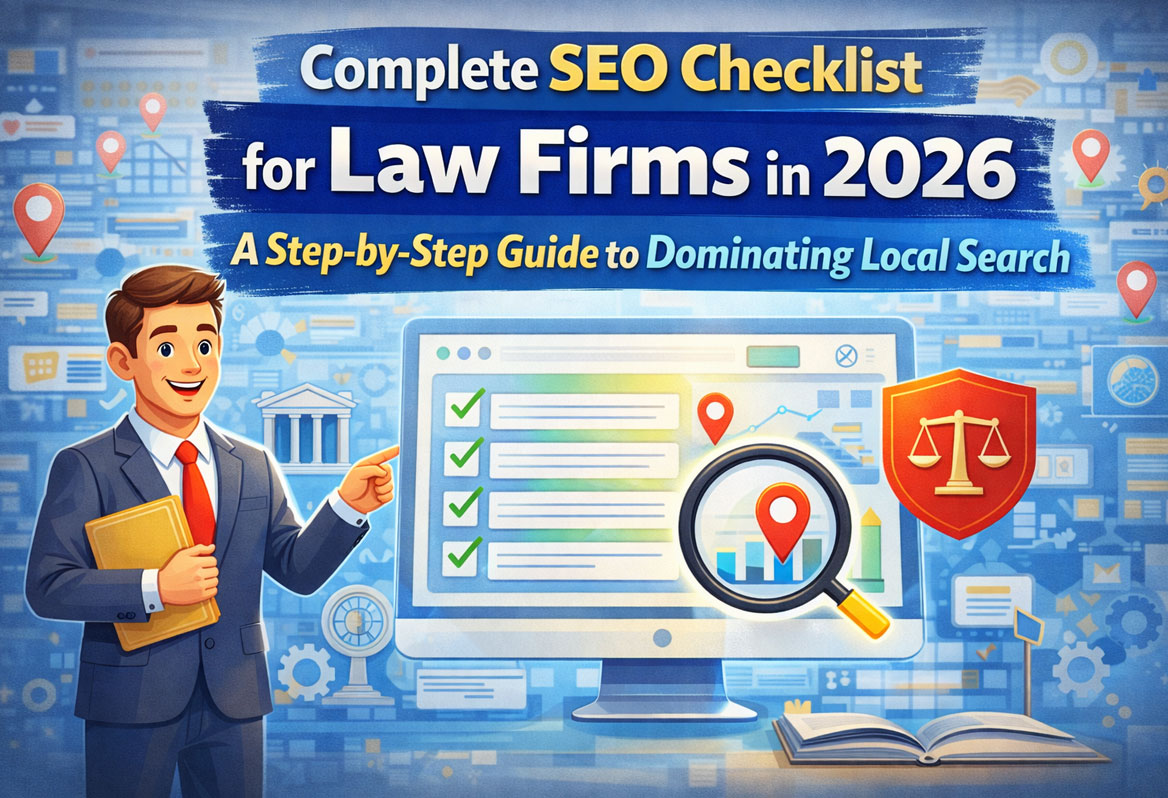
In the competitive legal industry, SEO is no longer optional, it’s essential. By 2026, law firms will face even greater challenges in standing out online, with advancements in AI, voice search, and local SEO reshaping the digital landscape.
This guide is designed to help you stay ahead of the curve. You’ll learn how to optimize your website for emerging trends, proven strategies to dominate local search, and actionable steps to attract high-intent legal leads.
Understanding the Importance of SEO for Law Firms
Search Engine Optimization (SEO) is a critical component of digital marketing for law firms. By 2026, the legal industry will face even more competition online, making it essential for law firms to adopt advanced SEO strategies to stay ahead. This comprehensive checklist is designed to help individual lawyers, small and mid-sized law firms, and location-focused legal practices optimize their online presence, attract high-quality leads, and achieve long-term organic growth.
Local SEO is particularly important for law firms. According to a 2023 report by BrightLocal, 98% of consumers used the internet to find local businesses, and 76% of local searches result in a phone call or visit within 24 hours. This highlights the importance of local SEO for law firms, as potential clients are likely to search for legal services in their immediate area.
Voice search is another emerging trend that law firms need to consider. A 2023 study by PwC revealed that 71% of consumers prefer using voice search over typing. By 2026, voice search optimization will be essential for law firms targeting local clients. This means optimizing your website for natural language queries and ensuring your content is easily accessible via voice search.
Content performance is also a key factor in SEO success. HubSpot’s 2023 Content Marketing Report found that businesses publishing 16+ blog posts per month generate 3.5 times more traffic than those publishing 0-4 posts. For law firms, consistent content creation will remain a cornerstone of SEO success. This includes creating practice-area-specific content, such as blog posts on topics like “Divorce Lawyer in Jaipur” or “Criminal Lawyer in Jaipur.”
Optimizing Your Google Business Profile
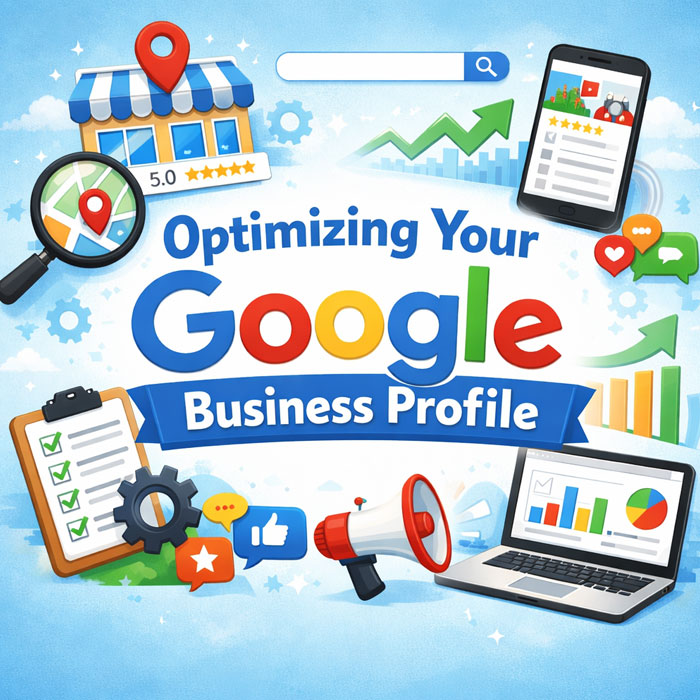
Google Business Profile (GBP) is a critical tool for law firms looking to dominate local search. A well-optimized GBP can significantly improve your visibility in local search results and on Google Maps. Here’s how to optimize your GBP for maximum impact:
First, ensure that your GBP is fully completed with accurate and up-to-date information. This includes your law firm’s name, address, phone number, website URL, and business hours. Make sure this information is consistent across all online platforms, as discrepancies can negatively impact your local SEO efforts.
Next, add high-quality photos and videos to your GBP. Visual content can make your profile more engaging and help potential clients get a better sense of your law firm. Include images of your office, team members, and any relevant legal events or activities.
Encourage clients to leave reviews on your GBP. Positive reviews can boost your credibility and improve your local search rankings. Respond promptly to all reviews, whether positive or negative, to show that you value client feedback and are committed to providing excellent service.
Finally, regularly update your GBP with posts about your law firm’s services, awards, and community involvement. This can help keep your profile active and engaging, which can positively impact your local SEO rankings.
Creating Practice-Area Specific Content
Creating practice-area-specific content is essential for law firms looking to attract high-intent legal leads. This type of content helps potential clients find your law firm when they search for specific legal services in your area. Here’s how to create effective practice-area-specific content:
First, conduct keyword research to identify the most relevant and high-traffic keywords for your practice areas. Use tools like Google Keyword Planner, SEMrush, or Ahrefs to find keywords that potential clients are using to search for legal services. Focus on long-tail keywords, such as “Divorce Lawyer in Jaipur” or “Criminal Lawyer in Jaipur,” as these are more likely to attract high-intent leads.
Next, create dedicated landing pages for each practice area. These pages should include detailed information about the legal services you offer, your experience and expertise in the area, and any relevant case studies or testimonials. Optimize these pages for your target keywords by including them in the page title, meta description, headers, and body content.
In addition to landing pages, create blog posts on topics related to your practice areas. These posts should provide valuable information to potential clients and help establish your law firm as an authority in the field. For example, you could write a blog post on “How to Choose the Right Divorce Lawyer in Jaipur” or “Common Mistakes to Avoid in Criminal Cases.”
Finally, promote your practice-area-specific content through social media, email marketing, and other digital channels. This can help drive traffic to your website and increase your visibility in local search results.
Leveraging Technical SEO for Better Performance
Technical SEO is a critical component of any successful SEO strategy. It involves optimizing your website’s technical aspects to improve its performance and search engine rankings. Here’s how to leverage technical SEO for your law firm’s website:
First, ensure that your website is mobile-friendly. Google’s 2023 Mobile-First Indexing update emphasizes the importance of mobile-friendly websites. Law firms with non-responsive websites risk losing up to 60% of potential clients, according to a 2023 survey by Clutch. Use tools like Google’s Mobile-Friendly Test to check your website’s mobile compatibility and make any necessary adjustments.
Next, improve your website’s page speed. Slow-loading websites can negatively impact user experience and search engine rankings. Use tools like Google PageSpeed Insights to identify and fix any issues that may be slowing down your website. This may include optimizing images, minifying CSS and JavaScript, and leveraging browser caching.
Implement structured data markup (schema) on your website. Structured data helps search engines understand the content on your website and can improve your visibility in rich search results. For law firms, this may include adding schema for local business information, reviews, and FAQs.
Finally, ensure that your website is secure by implementing HTTPS. Google prioritizes secure websites in search results, and HTTPS is now a standard for all websites. Ensure that your website has a valid SSL certificate and that all URLs are properly redirected to the HTTPS version.
Building High-Quality Backlinks and Local Citations
Building high-quality backlinks and local citations is essential for improving your law firm’s search engine rankings and online visibility. Here’s how to do it:
First, focus on acquiring backlinks from reputable and authoritative websites. Backlinks from high-quality websites signal to search engines that your website is trustworthy and authoritative. Reach out to legal directories, industry blogs, and local news websites to request backlinks to your law firm’s website.
Next, create valuable content that other websites will want to link to. This may include blog posts, infographics, case studies, and whitepapers. The more valuable and shareable your content is, the more likely it is to attract backlinks.
In addition to backlinks, build local citations for your law firm. Local citations are mentions of your law firm’s name, address, and phone number (NAP) on other websites, such as online directories, review sites, and social media platforms. Ensure that your NAP information is consistent across all citations to avoid confusion and improve your local SEO rankings.
Finally, monitor your backlinks and local citations regularly to ensure they are accurate and up-to-date. Use tools like Moz, Ahrefs, or SEMrush to track your backlinks and citations and identify any issues that need to be addressed.
FAQ
Frequently Asked Questions
The most important factor in local SEO for law firms is optimizing your Google Business Profile. This includes ensuring your profile is fully completed, adding high-quality photos and videos, encouraging client reviews, and regularly updating your profile with posts.
To improve your law firm’s website speed, optimize images, minify CSS and JavaScript, leverage browser caching, and use a content delivery network (CDN). You can also use tools like Google PageSpeed Insights to identify and fix any issues.
You should create practice-area-specific content, such as landing pages and blog posts, that provides valuable information to potential clients. This content should be optimized for relevant keywords and promoted through social media and email marketing.
To build high-quality backlinks, reach out to reputable and authoritative websites, create valuable content that other websites will want to link to, and monitor your backlinks regularly to ensure they are accurate and up-to-date.
Structured data markup (schema) helps search engines understand the content on your website and can improve your visibility in rich search results. For law firms, this may include adding schema for local business information, reviews, and FAQs.
Ready to Grow Your Law Firm with Smarter SEO?
If you’re ready to take your law firm’s SEO to the next level, Sky Storm Digital is here to help.
Our team of digital marketing experts specializes in SEO strategies tailored to the legal industry.
Let’s help you dominate local search and attract high-quality leads.
 Contact Sky Storm Digital Today
Pooja Garg
Pooja Garg is the founder of Sky Storm Digital, a creative digital marketing agency dedicated to helping brands grow through strategy, storytelling, and design. With a passion for blending creativity and data-driven insight, Pooja writes about digital marketing trends, brand building, and the ever-evolving online landscape.
When she’s not crafting campaigns, she’s exploring new ways to connect creativity with technology.