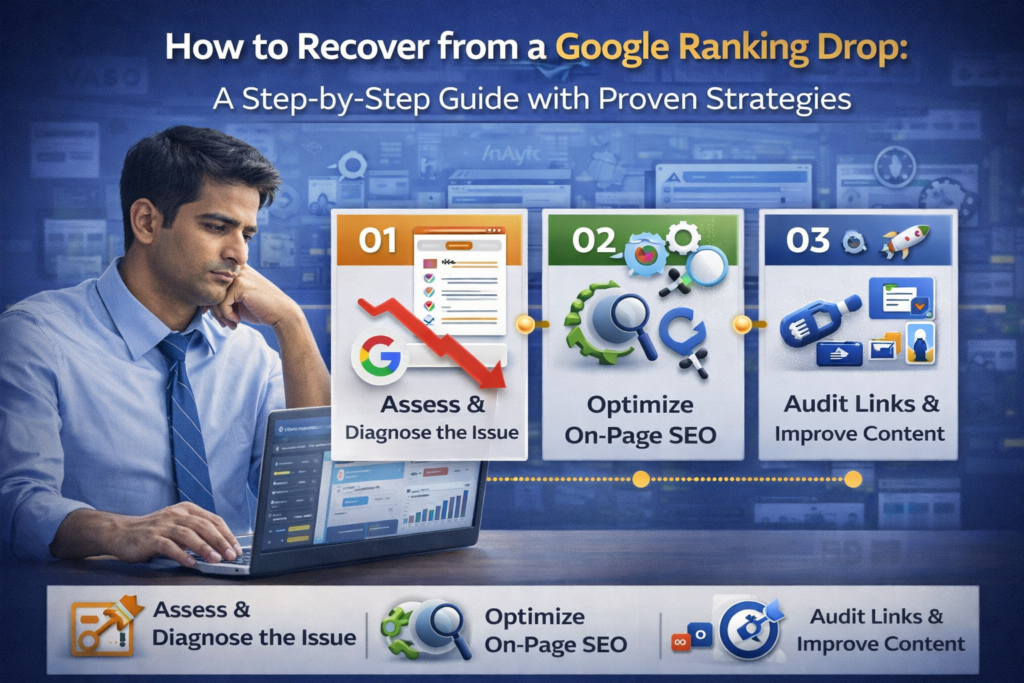

Site architecture determines how content is grouped, linked, and discovered. An SEO-friendly structure helps search engines understand topical relationships while making it easier for users to find relevant information.
Well-designed websites typically use a relatively flat hierarchy, where important pages are reachable within a few clicks from the homepage. Categories, subcategories, and individual pages should follow a logical progression, with URLs that reflect that structure. Navigation menus should reinforce priority pages rather than overwhelm users with every available link.
This approach improves crawl efficiency and ensures that internal links pass authority to pages that matter most.

Search engines primarily evaluate the mobile version of a website when determining rankings. If the mobile experience is slow, difficult to navigate, or missing content that exists on desktop, search visibility can decline.
Mobile-first design means designing layouts, navigation, and interactions for smaller screens first, then scaling up for larger devices. Text must be readable without zooming, interactive elements must be easy to tap, and layouts should adapt fluidly across screen sizes. Treating mobile as an afterthought often leads to usability issues that directly affect SEO performance.
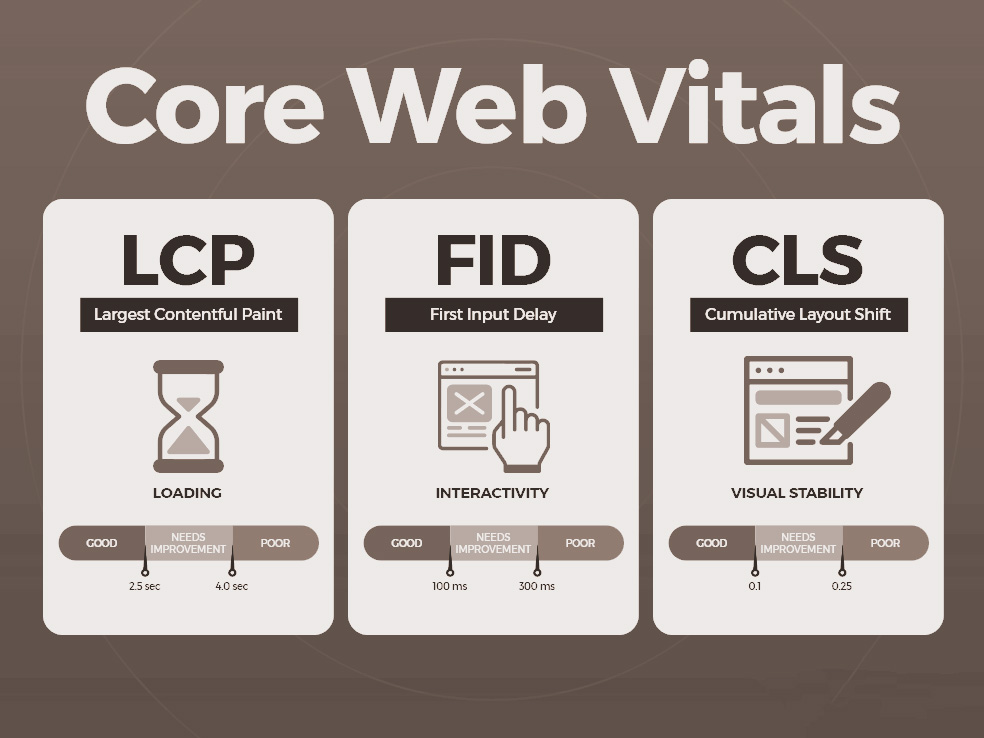
Page speed is both a ranking factor and a user experience requirement. Design decisions such as image usage, animations, font loading, and script management have a direct impact on performance metrics measured by search engines.
Core Web Vitals focus on how quickly content loads, how stable the layout is during loading, and how responsive the page feels when users interact with it. A visually impressive design that sacrifices performance can undermine SEO efforts, while a streamlined, performance-conscious design supports both rankings and conversions.

Content design plays a major role in how search engines interpret relevance and how users consume information. Pages should have a clear heading hierarchy, with one primary heading and supporting subheadings that reflect the topic structure.
Short paragraphs, consistent spacing, and clear section breaks improve readability and encourage users to stay on the page longer. From an SEO perspective, this structure helps search engines understand context and topical depth, while from a user perspective, it reduces friction and cognitive load.
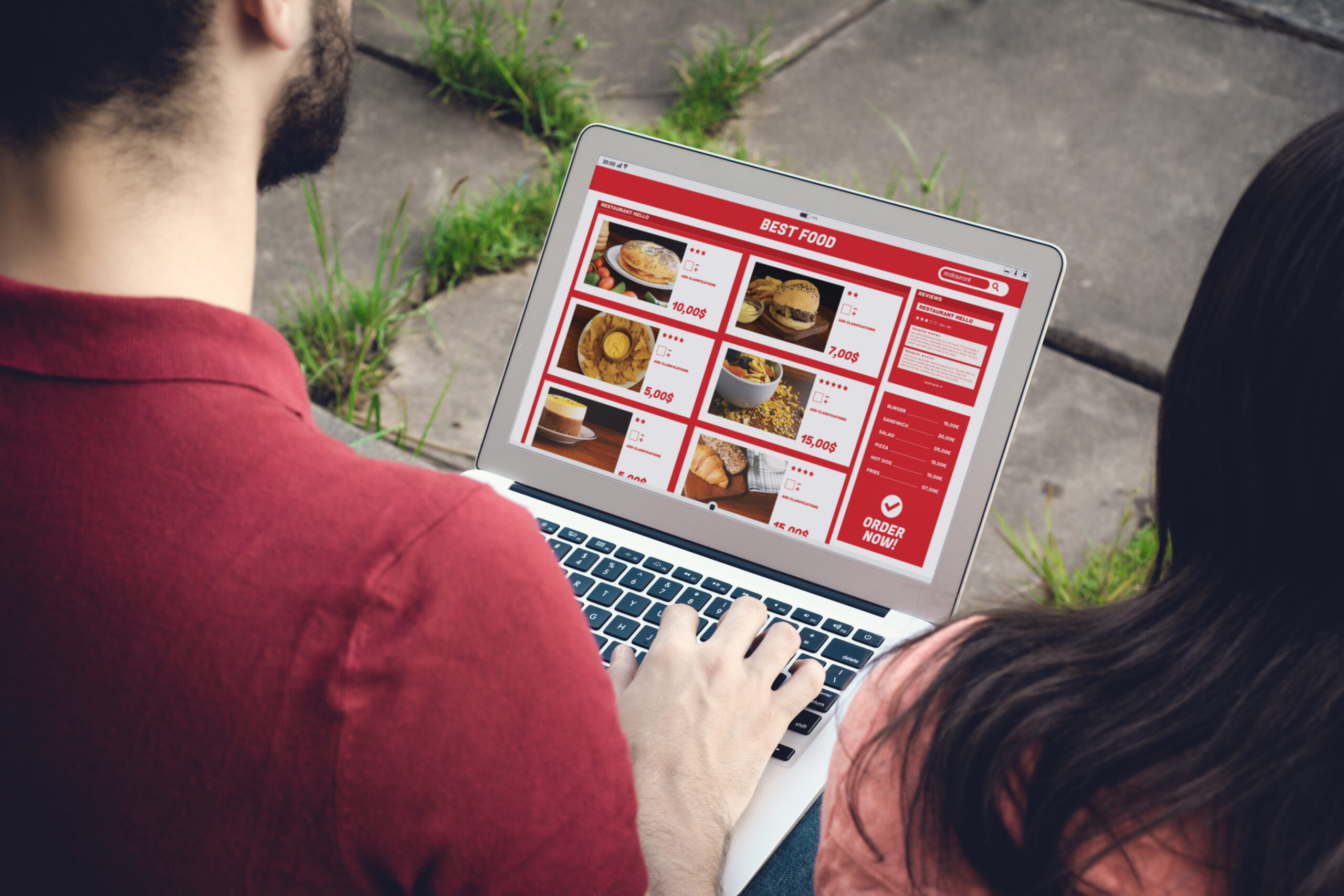
Internal linking should be treated as a core design component, not an afterthought. Links guide users through related content and signal to search engines which pages are most important within the site.
Effective internal linking is integrated naturally within body content, supported by navigation menus and reinforced through footer links where appropriate. Anchor text should describe the destination clearly, helping both users and search engines understand what to expect.

Ecommerce websites introduce additional complexity due to large numbers of product and category pages. Design decisions affect how easily search engines can crawl these pages and how efficiently authority flows throughout the site.
SEO-friendly ecommerce design ensures that category pages are indexable, product pages follow consistent templates, and internal links connect related products and collections. Poorly handled filters, infinite scroll, or JavaScript-dependent loading can prevent important pages from being discovered or indexed.