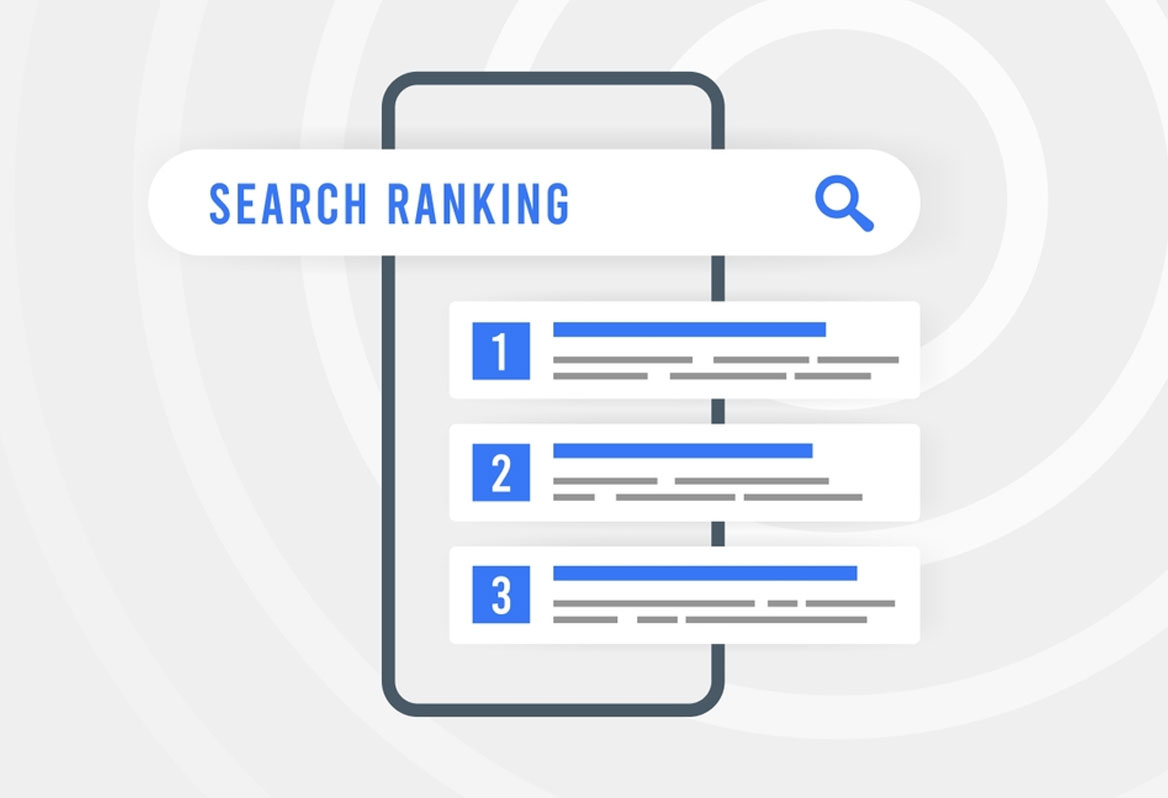
Every SEO report has a chart that goes up and to the right. Keywords in position 3, then 2, then 1. The client nods, the agency takes a bow, and three months later someone in finance asks the only question that matters: where’s the revenue? Silence. This happens constantly, and it happens because a ranking is a scoreboard, not a sale. You can win the scoreboard and still lose the game.
Rankings matter, to be clear. They’re the door you have to get through. But the door isn’t the room. This guide is about the gap between “we rank” and “we grew,” why that gap exists, and how to close it, with the metrics and the moves that turn a position on Google into money in the bank.
Key takeaways
- A #1 ranking is not the traffic you think it is. The top organic result earns about 27.6% of clicks, and the top three together about 54.4% . Position one leaves most of the page on the table.
- AI took another bite. When an AI summary appears, people click a normal result 8% of the time versus 15% without one . Ranking and clicking are now two different wins.
- Traffic is not revenue. A page can rank, get clicks, and still convert nobody if the intent, the offer, or the experience is wrong.
- Measure the business, not the scoreboard. Conversions, qualified leads, revenue from organic, and return on the spend are what prove SEO worked.
- Rankings pay only when the rest is handled. Content that matches intent, a fast usable site, and real authority are what turn a position into a customer.
The Uncomfortable Truth About A #1 Ranking
Rank one and you’ve won something real, just less than the chart suggests. Backlinko’s analysis of millions of search results puts the top spot at 27.6% of clicks and the whole top three at 54.4%. Read that again. Even at the very top, roughly seven in ten searchers don’t click you. The rest scatter across other results, ads, images, and the growing pile of features Google stuffs above the old blue links.
Then AI arrived and changed the math again. On searches where Google shows an AI summary, Pew found people click a regular result only 8% of the time, against 15% when there’s no summary. Your rank can hold steady while your clicks quietly fall, because the page changed around you. So the first crack in “rankings equal success” is simple. A ranking is a position. Clicks are a separate thing you also have to earn, and they’re getting harder to win.
Why Rankings Mislead
The chart looks great and the bank account doesn’t move. The disconnect usually hides in one of a few places.
You ranked, but for the wrong intent
Ranking for a keyword means nothing if the searcher wanted something you don’t offer. A page that ranks for “how to fix a leaky tap” pulls DIYers, not people ready to hire a plumber. The position is real; the visitor was never a customer. This is the most common and most expensive mismatch, and no amount of climbing fixes it, because the problem is which query you’re winning, not how high.
The click never came
Featured snippets answer the question on the page. AI Overviews summarize three sources without sending a click to any of them. A competitor with a sharper title and a review-star snippet pulls the eye even from below you. You can own the rank and still lose the click to whatever sits around it.
The click came, and then bounced
This is the quiet killer. Traffic arrives, glances at a slow page or a confusing layout, and leaves. The ranking did its job and the site threw the visit away. A page that loads slowly or buries the next step converts a fraction of what it should, which is exactly the leak a proper conversion rate optimization program is built to close. Traffic you don’t convert is just a bigger bounce rate.
You chased a vanity keyword
Head terms are seductive. “Running shoes” carries enormous volume, so ranking for it feels like a trophy. But broad terms pull browsers, comparison-shoppers, and researchers, and they convert at a fraction of a specific term like “trail running shoes for flat feet.” A page that ranks for the big vanity keyword can generate a wall of traffic and a trickle of sales, while a humbler page targeting exact intent quietly outperforms it on revenue. Volume and value are not the same thing.
The rank is standing on thin ground
Two pages can hold the same position on very different foundations. One is backed by genuine authority and links from sites that matter; the other floated up on a thin, temporary signal and will slide the moment a competitor invests. Link equity is about durability rather than a single day’s rank, and it’s why serious link building is a long game rather than a one-off. A ranking without authority underneath it is a lease, not a deed.
The Metrics That Define Real Success
If rankings are the means, business outcomes are the end. These are the numbers that tell you whether SEO is working, and they’re the ones worth putting at the top of the report.
It helps to split them into leading and lagging indicators. Rankings, impressions, and clicks are leading: they move first and hint at what’s coming. Conversions, revenue, and return on the spend are lagging: they arrive later and tell you what happened. Both belong on the report. The mistake is treating a leading indicator like a result and declaring victory before the lagging numbers show up.
Organic conversions and revenue. The headline number. How many leads, sales, or bookings came from organic search, and what were they worth? Everything else is a supporting actor to this.
Qualified leads over raw ones. Fifty form fills from the wrong audience are worth less than five from ready buyers. Track lead quality and close rate by source, or you’ll optimize for volume that sales quietly throws away.
Organic’s assist, credited fairly. Organic search often starts the visit and gets no credit because a branded search or an ad closed it. Look at assisted conversions in your analytics so you don’t gut the channel that fills the top of your funnel.
AOV, CLV, and ROI. Average order value and customer lifetime value tell you whether organic brings better customers, not merely cheaper clicks. Return on investment ties the whole program back to the spend, which is the language finance speaks.
Engagement that signals a match. Time on page, scroll depth, and pages per session aren’t goals in themselves, but read together they tell you whether the traffic you ranked for wanted what it found.

How To Measure It Without Fooling Yourself
The tooling is not the hard part; the discipline is. Set up Google Analytics 4 to track real conversions, not pageviews, and tag your organic traffic so you can see what it does after it lands. Pair it with Google Search Console for the queries and positions feeding the site, so you can connect a rank to a click to a conversion in one line of sight. Layer in a behavior tool for heatmaps and session recordings when you need to see where people hesitate.
Then build the report around a single chain: ranking, to click, to visit, to conversion, to revenue. When one link in that chain is weak, you know exactly where to work rather than celebrating a position that leads nowhere. If you want the full framework for setting this up, we walk through it in our guide to building a results-driven SEO plan, and there’s more on the mindset shift in why visibility is only the first step.
What “RANKINGS THAT PAY” LOOKS LIKE
The proof is in what happens when rankings and revenue move together, because someone handled the whole chain, not the position alone.
When we rebuilt a fast-fashion brand’s store on Shopify, the organic gains stuck because the store finally converted the traffic it earned, not because a keyword nudged up a spot. A wellness brand held and grew its rankings through an OpenCart-to-Shopify migration precisely because we protected the technical foundation and the conversion path, not the positions alone. A dental clinic we grew through local search turned map-pack visibility into booked chairs because reviews and a clean booking flow did the closing. And a property platform we worked with grew because the rankings pointed at pages built to convert the searcher on the other end. In every one, the ranking was the setup. The revenue came from everything that surrounded it.
How to turn rankings into revenue
Closing the gap is its own work, and it’s mostly unglamorous. Start by matching content to intent: audit your ranking pages and ask, honestly, whether the person landing there wanted to buy, and rewrite the ones aimed at the wrong stage. Fix the technical and UX basics next, because Core Web Vitals and a clean mobile experience decide whether earned traffic stays. Make the content genuinely useful and authoritative, the kind Google’s helpful content systems reward and real buyers trust. Then optimize the path to action, testing headlines, offers, and layouts until the traffic converts.
One habit ties it together. Once a quarter, pull your top twenty ranking pages and sort them by conversions, not by position. The pages that rank well and convert poorly are your highest-return work, because the traffic is already there and only the page is failing it. Fixing those beats chasing ten new keywords almost every time.
None of this replaces ranking work. It completes it. A strong SEO program treats position as step one and revenue as the finish line, whether the channel is ecommerce SEO, local SEO, or a blend. If you’re not sure where your own chain breaks, a free audit will show you whether your rankings are paying, and where they leak if they aren’t.
FAQ
Frequently Asked Questions (FAQ)
Tie it to the business. Track organic conversions and the revenue behind them in Google Analytics 4, watch queries and positions in Search Console, and connect the two so you can follow a ranking through to a sale. Keyword positions belong in the report as a leading indicator, not the headline. The headline is what organic search earned the business this month.
Usually one of three things. The search shows an AI Overview or a featured snippet that answers the query in place, so nobody needs to click. A competitor’s title or rich snippet is pulling the eye. Or you’re ranking for a term with less real search volume than the tool suggested. Check the live result for your keyword and you’ll normally see which one it is.
They matter a lot. The top three organic spots still take more than half of all clicks, so you can’t skip the ranking work. The point is that a ranking is necessary, not sufficient. It gets you the chance to earn a click and a customer; it doesn’t hand you either.
Revenue attributed to organic search, with cost factored in. Everything else, rankings, traffic, engagement, is a step on the way to that number. If organic is generating profitable revenue, the program is working, whatever the keyword chart says that week.
Two ways. Google uses experience signals like Core Web Vitals as part of ranking, so a slow, clunky site can cap how high you go. More importantly, UX decides what happens after the click: a confusing page wastes the traffic your ranking earned. Good UX is where rankings turn into revenue.
Rankings can move in a few months; the revenue follows once the conversion and trust pieces are in place. That lag is exactly why measuring only positions is dangerous, because it can look like nothing is working right up until it compounds. Track the whole chain and you’ll see the progress earlier and more honestly.

Pooja Garg
Pooja Garg is the founder of Sky Storm Digital, a creative digital marketing agency dedicated to helping brands grow through strategy, storytelling, and design. With a passion for blending creativity and data-driven insight, Pooja writes about digital marketing trends, brand building, and the ever-evolving online landscape.
When she’s not crafting campaigns, she’s exploring new ways to connect creativity with technology.