TL;DR
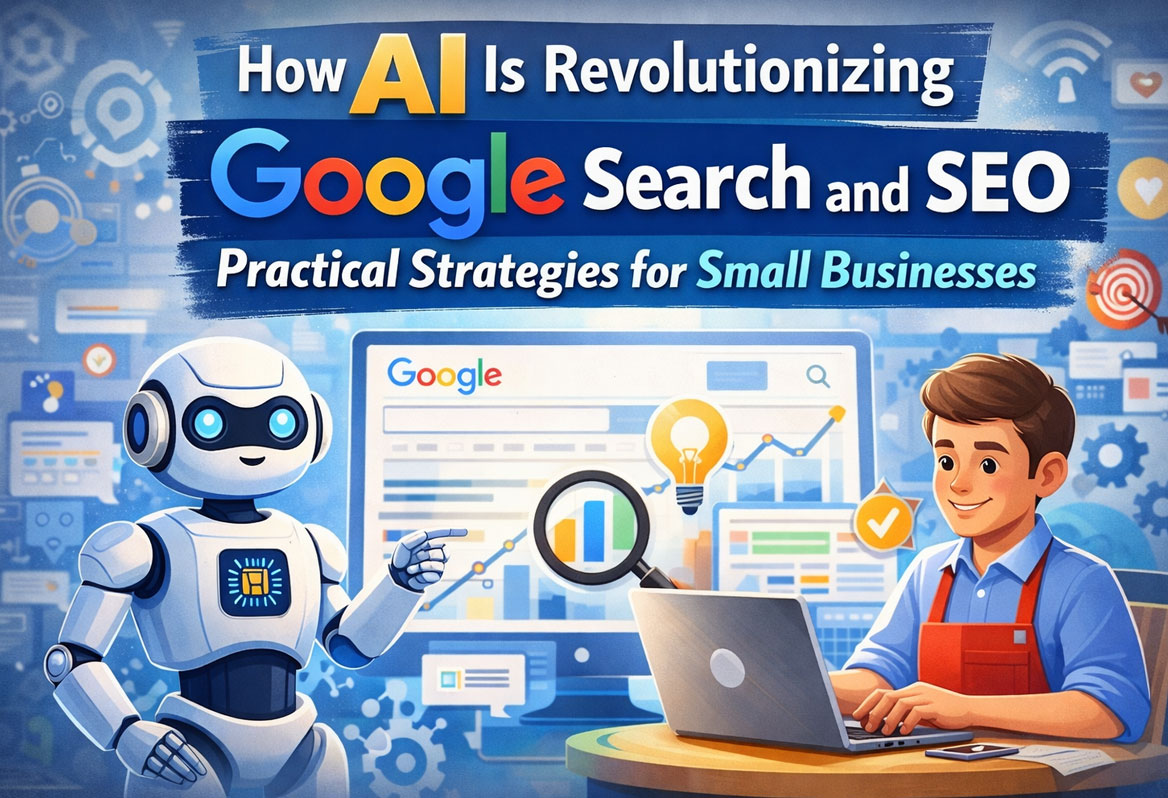
Artificial intelligence is transforming how Google Search works and how businesses need to approach SEO. For small businesses with limited budgets, this means both challenges and opportunities.
Google’s AI-powered features like SGE, BERT, and MUM are changing how results are displayed and ranked. High-quality, human-first content is becoming more important as AI detects low-value content. AI tools can help automate SEO tasks at a fraction of agency costs.
Common pitfalls include over-reliance on AI without human oversight and neglecting local SEO fundamentals. This guide is designed for small businesses that need practical, affordable ways to adapt their SEO strategies to AI changes.
Introduction
AI is rapidly reshaping the SEO landscape, and small businesses often feel the impact first after algorithm updates.
While these changes can seem overwhelming, AI also creates opportunities for smaller companies to compete more effectively with the right strategy and tools.
This guide explains how Google’s AI works, what it means for your visibility, and how to implement budget-friendly strategies that deliver results.
How Google’s AI Search Works (And Why It Matters)
Google now uses multiple AI systems to interpret search queries, evaluate content, and generate results. Understanding these systems helps you create content that aligns with how Google ranks pages.
BERT: Understanding Natural Language
BERT helps Google understand conversational queries and search intent rather than just keywords.
Your content should answer real questions in natural language instead of focusing on short keyword phrases.
MUM: Multitask Understanding
MUM connects information across text, images, and video, especially for complex searches and local discovery.
This means visual content and multimedia now influence how your business appears in search results.
Search Generative Experience (SGE)
SGE uses AI to generate summarized answers directly in search results for many informational queries.
Your content must be authoritative and comprehensive enough to be cited in these AI-generated summaries.
The New Rules of AI-Optimized SEO
1. Quality Over Quantity
Thin or unedited AI content is increasingly penalized. Pages with original insights, expert input, and frequent updates perform significantly better.
Focus on fewer, stronger pages instead of publishing large volumes of low-value content.
2. Semantic Search Optimization
AI evaluates topic depth, not just keyword use. Content should fully cover related questions and concepts.
This improves relevance for long-tail and voice searches.
3. Structured Data Matters More
Schema markup helps AI systems understand your content and display enhanced results like FAQs and product info.
Proper structured data can significantly improve click-through rates.
Budget-Friendly AI Tools for Small Businesses
Content Creation & Optimization
Jasper: Helps generate content ideas and maintain brand voice.
Frase: Analyzes top-ranking content and suggests topic improvements.
Technical SEO
Screaming Frog: Identifies technical SEO issues.
Google Search Console & Analytics: Track performance and errors.
Local SEO
BrightLocal: Tracks local rankings and manages listings.
Moz Local: Maintains NAP consistency across directories.
Using a few focused tools can replace expensive agency retainers for many small businesses.
Implementation Roadmap: 30-60-90 Day Plan
First 30 Days: Foundation
Audit your site, optimize your Google Business Profile, research keywords, and publish one strong pillar page.
Days 31–60: Expansion
Build internal links, improve citations, track rankings, and publish supporting blog content.
Days 61–90: Optimization
Add schema, begin basic link building, analyze performance, and update older pages.
Common Pitfalls and How to Avoid Them
1. Publishing Raw AI Content
Always edit AI-generated drafts with human expertise, examples, and unique insights.
2. Neglecting Local Signals
Local SEO fundamentals like Google Business Profile optimization still strongly affect rankings.
3. Tool Overload
Using too many tools reduces effectiveness. Master a few instead.
Key Takeaways
AI-driven SEO rewards expertise, depth, and relevance. Small businesses can compete by combining AI efficiency with human experience.
Focus on quality content, structured data, and consistent local optimization to remain visible in evolving search results.
Frequently Asked Questions
How much should a small business budget for AI SEO tools?
Most businesses can succeed with $100–$300 per month using focused tools.
Can I rely only on ChatGPT for SEO?
No. Human editing and unique insights are required to avoid penalties.
How quickly will I see results?
Initial improvements often appear within 30–60 days, with stronger growth over 3–6 months.
Is technical SEO still important?
Yes. Site speed, mobile usability, and structure remain critical ranking factors.
Does AI reduce website traffic?
Some informational searches may stay in Google results, but most buying and local searches still drive clicks.
How often should content be updated?
Review and refresh important pages at least quarterly.
Can AI help with local SEO?
Yes. AI-powered tools assist with rankings, citations, and review management.
Ready to Get Started?
AI is changing SEO, but you can adapt with the right strategy and tools.
Sky Storm Digital helps small businesses implement affordable, AI-ready SEO strategies that deliver measurable results.