Most owners start with the salary. Pay someone ₹60,000 a month to sit in your office, or pay an agency about the same to do it from theirs? Fair question, though the invoice is the easy bit. What you get back depends on how many of those months turn into results, and how much of your own week goes into chasing whoever is doing the work. So below we’ve put a digital marketing agency vs an in-house team vs a freelancer side by side, with real Indian salary figures and an ROI sum you can do on the back of a GST invoice.
Key takeaways
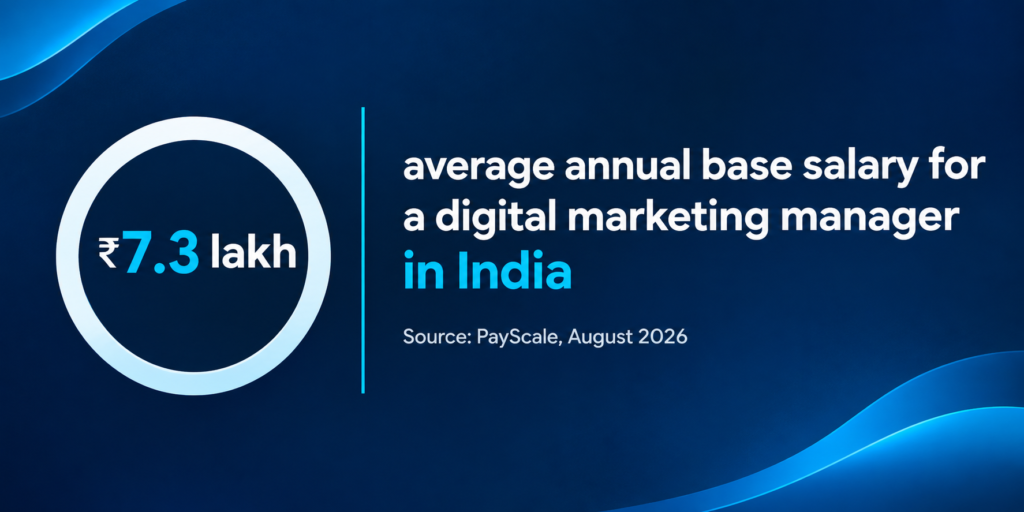
- One average hire costs about ₹61,000 a month. PayScale puts a digital marketing manager’s base pay at ₹7.3 lakh a year.
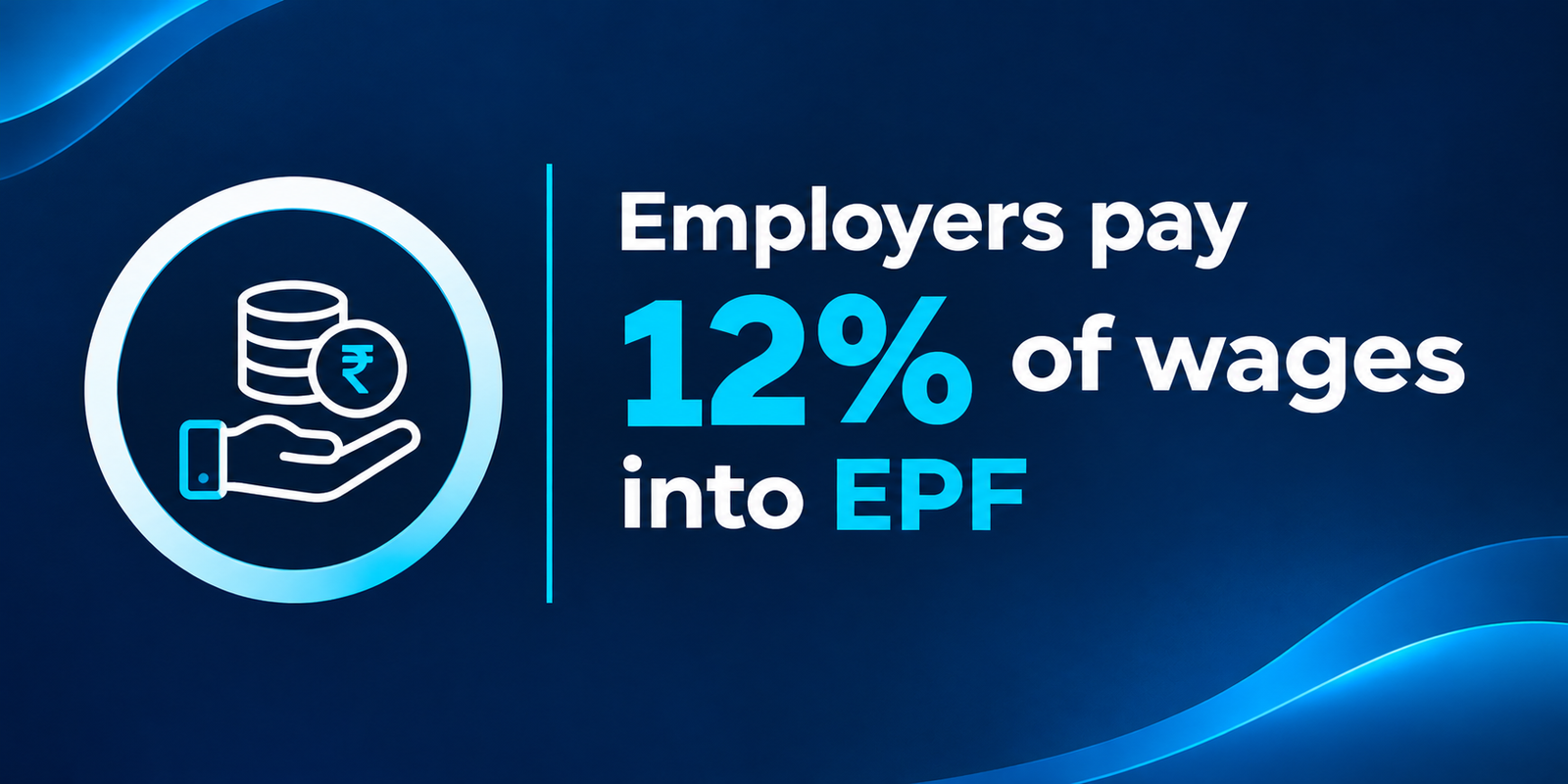
- Salary undercounts the bill. EPF alone adds 12% of wages on top.
- Freelancers win on narrow jobs. They suit a fixed task with an end date, like a site audit.
- Agencies buy breadth. One retainer covers several specialists and their tools.
- Measure ROI on gross profit. Revenue flatters every option.
What does each option cost an Indian business?
Start with the in-house number, because it’s the only one with decent public data. PayScale’s average base pay for a digital marketing manager in India works out to ₹7,29,875 a year, based on 266 profiles it last updated in August 2026. Call it ₹61,000 a month. Before PF or a laptop.
Juniors cost a lot less. On AmbitionBox an SEO executive with up to four years of experience earns ₹1.2 to ₹4.2 lakh a year. Performance marketers range from ₹2.2 to ₹12 lakh, and that top end is someone who’s run ad accounts without a manager looking over their shoulder.
Freelancer and agency prices are a lot messier. Nobody files them anywhere, so you’re stuck with rate cards. Upwork’s own guide says SEO experts on its platform charge $15 to $35 an hour, and that’s a global figure. For India, the rate cards we pulled together in our breakdown of SEO costs in India put freelancers at ₹15,000 to ₹50,000 a month and most small and mid-sized agency packages at ₹15,000 to ₹75,000. Why so wide? Scope, mostly.
| Option | Typical monthly cost | What sets the price |
|---|---|---|
| In-house digital marketing manager | About ₹61,000 base (PayScale average) | Experience and city |
| In-house SEO executive | ₹10,000 to ₹35,000 (AmbitionBox range) | Years of experience |
| Freelancer on retainer | ₹15,000 to ₹50,000 | Hours and specialism |
| Agency, small or mid-sized package | ₹15,000 to ₹75,000 | Channels and content volume |
What costs don't show up on the payslip?
PF is the first one people miss: under EPF, employers and employees each put in 12% of wages, and once you’re past 20 employees that’s on you, on top of the salary you advertised.
SEO and ad tools come next, billed per seat and usually in dollars, and a marketer without them is guessing. Then time, which is the big one. Interviews eat weeks. A new hire needs a couple of months to learn who your customers are, and somebody senior has to look at the work every week. In a ₹5 crore business that somebody is the owner. Nobody puts the owner’s hours on the payslip, but they’re the most expensive hours in the building.
What does each option give you for the money?
Coverage comes first, because a typical Indian SMB needs SEO, Google Ads, social, content and a bit of design. One ₹61,000 hire will be good at one or two of those. The rest? Patchy. People who are equally sharp at technical SEO and Meta ad creative do exist, but they’re rare and they don’t come cheap, so it’s better to plan for the gaps up front.
In-house has one thing no outsider can buy, and that’s time inside the business. Your marketer hears the sales calls. When you decide on a Diwali offer at 4 pm, they can have it live on Instagram by 6, and after a year of that your campaigns start to sound like your company wrote them.
Freelancers sell one skill by the hour. A good freelance Shopify SEO or Google Ads person can be better at that one job than your generalist employee, and the day the project ends, you stop paying them. The catch? You’re now the project manager. You brief each of them, and if there are three, you’re the one stitching their work into a plan on top of your real job.
With an agency you’re mostly buying breadth, since one retainer gets you an account manager and specialists for SEO and paid ads, with the tools already paid for, and if someone quits, the agency has to cover it. Our own digital marketing services are set up that way. The flip side? Distance. An agency only knows your business as well as you brief it, and a lazy brief gets you lazy work back.
How do you calculate marketing ROI for each option?
Say marketing brings in 15 extra customers a month at ₹8,000 gross profit each. That’s ₹1.2 lakh. Spend ₹60,000 to get it and you’ve made ₹60,000 on ₹60,000, or 100%. The formula doesn’t care which option you picked. The options differ in the inputs: when results start, and what the real monthly cost comes to once you add the stuff that never shows on the invoice.
Run it over twelve months. We’ve filled the table below with our own guesses about hiring and ramp-up time, so treat it as a rough sketch and swap in your own numbers. Even rough numbers make the point, though: two options at the same ₹60,000 a month can end the year miles apart.
| Year one at ₹60,000 a month | Months producing results | What the money buys | Who manages the work |
|---|---|---|---|
| In-house generalist | About 8 or 9, after hiring and ramp-up | One person across every channel | You, weekly |
| Two or three freelancers | About 10 or 11 | Specialist hours on set tasks | You, closely |
| Agency | About 10 or 11, after onboarding | A small team plus tools | An account manager, reporting to you |
Say your in-house hire takes three months to get going. That’s ₹1.8 lakh in salary before the first decent campaign goes out. Nine months against twelve. No wonder first-year comparisons tend to favour outsourcing. Year two can look completely different, because by then your hire knows the business inside out and the cost of finding them is behind you.
When does an in-house team make sense?
When marketing is daily work that can’t wait in an agency’s queue. Think of a D2C brand posting every day and testing new Meta creatives every week. It needs someone in the building. Once the workload is big enough to justify two or three people, an in-house team can work out cheaper per hour than paying an agency for the same output.
Regulated work is the other case. In healthcare or finance every claim has to be checked against rules an outside writer may not know. Long B2B sales cycles belong here too, where your marketer has to sit in on product meetings before they can write anything that’s worth reading.
One warning: hire senior first. A junior working alone with nobody to learn from will keep repeating the few tactics they already know, and you’ll be paying a full salary for a playbook you could have bought by the hour.
When is a freelancer the better buy?
Freelancers make sense for a job with clear edges and an end date, like a technical SEO audit or a Shopify migration. You judge it on arrival. Paying for that and nothing else makes a good freelancer the cheapest way to fill one skill gap for a few weeks, provided the brief is tight enough that two people reading it would build the same thing.
Open-ended work changes the sums. Ongoing SEO or a monthly content calendar needs someone who’s accountable month after month, and a solo freelancer who falls ill in March or lands a bigger client leaves you starting from scratch in April. Who covers for them when that happens? It’s worth asking before you sign anything long-term.
When should you hire a digital marketing agency?
An agency fits when you need several channels working together but can’t afford several hires yet. If you’re spending under a lakh a month on marketing, a retainer usually buys you more combined skill than one salary of the same size. And the gap grows with every channel you add. Pitches can mislead, though. Before you sign, check that the people in the pitch meeting are the ones who’ll do your work; our guide on what to look for when hiring a digital marketing agency has the questions.
Whoever you pick, keep Google Analytics and Google Ads in your company’s name. If you ever switch, the data stays with you. Ask for reports with leads and sales next to the clicks. Refusal is an answer. An agency that won’t agree to either has told you something, and our list of red flags when hiring an SEO company in Jaipur has more like it.
Can you combine an agency, in-house staff and freelancers?
Often, yes. Past a certain size, plenty of businesses land on the same setup. One in-house lead owns the plan and the brand voice. An agency runs SEO and paid search, where specialists and tools matter most, and freelancers come in for design or video when a campaign needs it.
That lead earns their salary by briefing well and by checking the agency’s numbers against the sales that show up in your billing software every month. One good brief saves a month. A strong lead often does more for ROI than a second agency or a third freelancer would. And if paid search is in the mix, our Google Ads guide for Indian businesses has sensible starting budgets.
Frequently asked questions
Anywhere from ₹15,000 to ₹75,000 a month for most small and mid-sized businesses, going by the published rate cards we compared. Enterprise retainers run into lakhs. Scope sets the price. ₹15,000 might get you one channel and a monthly report; ₹60,000 and up usually adds content and link building. So compare what’s in each quote line by line before you look at the total. For what it’s worth, our own SEO plans start at ₹8,000 a month for a single location with a tight keyword list that doesn’t pretend to rank you for everything.
Per hour, nearly always. Whether it’s cheaper per result depends on how much managing you end up doing, since their rate doesn’t count the hours you spend briefing them and checking what comes back.
Fixed cost and narrow skills. You pay the salary and 12% PF in a dead August the same as in Diwali week. And one or two people can’t be experts in every channel, so most small in-house teams still buy in help for things like technical SEO or a site migration.
Two months proves little. Paid ads can bring enquiries within days of launch, while SEO needs several months to build, as we explain in our piece on how long SEO takes to work. Six months of data is the minimum we’d judge any of the three options on.